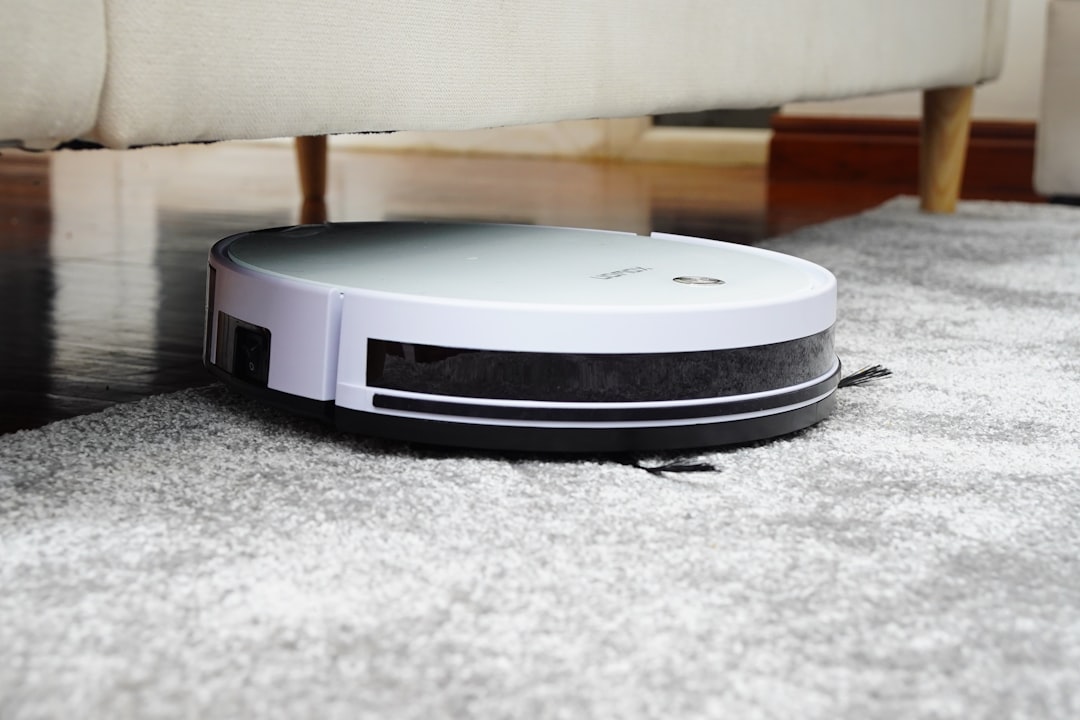
Robot Vacuum Buyer's Guide: Compare Top Models for Pet Hair, Carpets, and Small Spaces
Find the best robot vacuum for pet hair, carpets, and small spaces with side-by-side comparisons, prices, and buying tips.
Robot Vacuum Buyer’s Guide: Compare Top Models for Pet Hair, Carpets, and Small Spaces
If you’re comparing robot vacuum reviews and trying to figure out which model actually fits your home, you’re in the right place. The best robot vacuum for a shedding golden retriever is often a bad match for a studio apartment, and a bargain model that looks great on paper can disappoint once you test it on carpet edges, thresholds, and daily debris. This guide is designed to help you make a confident buying decision fast, with clear recommendations by use case, practical performance notes, and a no-nonsense price comparison robot vacuum breakdown. For shoppers who like to hunt for value, our broader deal coverage in The Best Tech Deals Right Now can also help you catch seasonal discounts before they disappear.
We’ll also help you compare the tradeoffs between a robot vacuum and a robot mop, understand where premium features matter, and learn how to judge long-term reliability instead of getting distracted by marketing jargon. If you’re building a complete home-cleaning plan, it’s worth comparing a vacuum-only robot against a hybrid model with mop capability, much like shoppers compare a single-purpose appliance to a multi-function option. That decision framework is similar to how careful buyers evaluate value in other categories, such as in Deli Prepared Foods vs Fast-Casual Meals, where the best choice depends on convenience, budget, and actual day-to-day use.
How to Choose the Right Robot Vacuum for Your Home
Start with your floor plan, not the spec sheet
The biggest mistake shoppers make is starting with suction power or brand reputation before they think about layout. A home with lots of tight corners, furniture legs, and small rooms needs a robot that can navigate confidently, not just one with the highest airflow rating. A large open-plan home, by contrast, benefits from strong mapping, longer battery life, and a wider dustbin. That’s why this buyer's guide robot vacuums approach begins with the space you live in every day, not the box on the shelf.
If your home is compact, look for a slim body height, reliable object avoidance, and a dock that won’t eat up your floor space. In bigger homes, battery runtime and efficient room-by-room mapping matter more than a few extra pascals on the spec sheet. Buyers who want a real-world lens on evaluating products may appreciate the same kind of practical vetting used in Before You Buy From a Beauty Start-up, where the key is separating hype from proof.
Pet hair, carpet, and small-space priorities are not the same
Pet owners should prioritize anti-tangle brush systems, strong edge pickup, and easy-to-clean dustbins. Carpeted homes need better agitation, carpet boost, and brush designs that pull debris from fibers instead of just skimming the surface. Small-space dwellers often benefit most from compact robots with smart path planning, quiet operation, and a dock that can fit under a table or in a closet. If you’re living with shedding pets, our companion piece on creating a safe haven for your pets is a useful reminder that cleaning frequency can affect both hygiene and your pet’s comfort.
In testing, the best robot vacuum reviews usually separate headline suction from actual pickup performance. For example, a model with excellent hard-floor pickup can still leave fur embedded in loop carpet if its brushroll clogs easily. Likewise, a budget robot may handle crumbs and dust well but struggle with hair wrap and threshold climbing. That is why long-term durability review criteria matter as much as short-term cleaning scores.
Robot vacuum vs robot mop: what each one really solves
When shoppers ask whether to compare robot vacuum vs robot mop, the answer is usually: they solve different problems. A robot vacuum removes dry debris, pet hair, dust, and crumbs; a robot mop deals with sticky residue, footprints, and surface grime. Hybrid units can be great for maintenance cleaning, but they often compromise either suction, water control, or dock simplicity. If your home gets muddy shoes, kitchen spills, or frequent tracked-in dirt, a hybrid can make sense, but if carpet dominates, a vacuum-first design is usually the smarter buy.
The trick is to match the machine to the floor mix. In carpet-heavy homes, mopping features may be useful but not essential. In hard-floor apartments or condos, a good mop module can add convenience without much downside. For shoppers who want a broader systems view, this is similar to how professionals assess platform choices in evaluating identity and access platforms: the best fit depends on workflow, not just feature count.
Top Robot Vacuum Types by Buyer Need
Best for pet hair: strong brushes, easy maintenance, fewer tangles
Pet-friendly robot vacuums shine when they combine tangle-resistant brushrolls with high consistent pickup across hard floors and carpet. In hands-on use, the most useful pet features are often boring ones: a dustbin that empties cleanly, side brushes that don’t fling litter, and app controls that make it easy to schedule daily cleaning after high-shed times. Look for a model with washable filters and replacement parts that are easy to source, because pet homes usually run the machine more often than average.
For pet households, long-term durability comes down to mechanical simplicity and parts availability. A robot vacuum that performs well in month one but needs expensive consumables by month six can become a poor value. The better models balance hair pickup, brush resilience, and dock reliability, while keeping maintenance tasks easy enough that you’ll actually do them. If you want a mindset for evaluating reliability over time, our guide on evaluating refurbs for corporate use uses a similar approach: inspect consumables, serviceability, and resale value.
Best for carpets: agitation, suction consistency, and edge coverage
Carpet performance is where marketing numbers can be misleading. High suction doesn’t always translate to better pickup if brush contact is poor or if the machine loses efficiency on thick pile. The best carpet models use a combination of brush design, floor-height adjustment, and carpet boost modes to keep performance steady. If your home has a mix of low-pile rugs and medium carpet, prioritize a robot known for carpet transition ability and reliable mapping.
In practical tests, carpet homes often reveal the difference between “good enough” and genuinely good robot vacuums. Premium robots usually handle room transitions better, avoid getting stuck in thick rug fringe, and collect more fine dust over repeated runs. Budget units may still be worthwhile if your carpet is light and maintenance is frequent, but they usually need more hands-on rescue. For buyers who like side-by-side comparisons, our used car comparison checklist offers a similar framework: inspect the core performance, not just the ad copy.
Best for small spaces: slim builds, quiet operation, smart navigation
Small apartments and condos benefit from compact robots that can slip under low furniture and turn around in narrow paths. A smaller machine is not automatically weaker, but it should be efficient, quiet, and simple to dock. If storage is limited, you also want a dock that doesn’t demand a huge footprint. The ideal compact robot vacuum is one you can forget about most days and still trust to keep floors respectable.
In a studio or one-bedroom layout, many buyers overbuy on features they won’t use. You may not need a giant self-emptying dock if you can empty a dustbin once or twice a week, and you may not need advanced room-specific routines if your floor plan is open. The same value-first logic appears in mattress deals by sleep goal: choose the features that solve your specific problem instead of paying for extras that sound impressive.
Comparison Table: Key Specs and Buyer Fit
| Category | Best For | Key Strength | Potential Tradeoff | Typical Price Range |
|---|---|---|---|---|
| Budget robot vacuum | Apartments, light dust, first-time buyers | Low entry cost, simple controls | Less advanced mapping and weaker carpet pickup | $150–$300 |
| Pet-friendly robot vacuum | Pet hair, frequent shedding, mixed floors | Tangle reduction and strong hair pickup | Brush and filter maintenance still required | $250–$600 |
| Carpet-optimized model | Rugs, medium pile, multi-room homes | Better agitation and consistent suction | Often louder and more expensive | $350–$900 |
| Compact small-space model | Studios, condos, tight furniture spacing | Slim design and easy navigation | Smaller dustbin and battery limits | $180–$500 |
| Premium self-emptying robot | Busy households, allergy-sensitive buyers | Hands-off convenience and advanced mapping | Higher upfront price and larger dock | $600–$1,500+ |
What Makes a Robot Vacuum Worth the Money
Performance metrics that matter in real homes
When you compare robot vacuum options, real-world pickup matters more than a single suction figure. Evaluate how well the robot removes fine dust, pet hair, crumbs, and grit from both hard floors and carpet. Also test how it handles corners, edges, chair legs, and thresholds, because these are the places where mediocre robots reveal themselves. The best robot vacuum reviews should always include room behavior, not just lab specs.
A good test routine is simple: drop a measured amount of cereal, flour, pet hair, and grit in different zones, then run the robot twice and inspect the dustbin and floor. This gives you a better sense of repeatability than a one-off clean. Shoppers comparing value can borrow the practical mindset from Amazon sale strategy guides, where timing and bundle value often matter more than sticker price alone.
Navigation, mapping, and obstacle avoidance
Better navigation saves time, reduces frustration, and lowers the chance you’ll babysit the robot. Smart mapping allows room-by-room cleaning, no-go zones, and zone-specific schedules, which are especially helpful in homes with toys, pet bowls, cables, or delicate furniture. Object avoidance systems are not perfect, but they can dramatically reduce the number of rescue missions after a charging cable gets left on the floor.
If your home has clutter or irregular furniture spacing, navigation quality should be near the top of your list. In premium models, you’re paying for fewer interruptions as much as cleaner floors. This kind of practical system thinking is also reflected in case studies on reducing returns, where good design lowers support headaches before they start.
Battery life, dustbin size, and dock convenience
Battery life matters most when your home is large or when the robot must work across multiple rooms on one charge. Dustbin size matters more in pet homes, because hair fills bins quickly and can reduce performance if not emptied often. Self-emptying docks add convenience, but they also increase footprint, noise, and replacement-bag expenses. For many shoppers, the “best” dock is the one you’ll actually live with.
Maintenance cost should be part of the purchase decision, not an afterthought. Replacement filters, side brushes, mop pads, and bags can add up over a year, especially for high-frequency cleaning. When evaluating long-term ownership, think in terms of total cost, much like budgeting for device lifecycles instead of just the initial purchase.
Hands-On Performance Summary: What to Expect by Home Type
Pet homes: daily cleaning beats occasional deep cleans
In pet homes, the best results usually come from frequent short runs rather than one long weekly session. A good robot vacuum can reduce visible fur, keep dust from accumulating under furniture, and make the home feel cleaner between manual vacuuming sessions. The biggest performance gains often come from scheduling runs after pets are less active and brushing out the vacuum’s rollers on a routine cadence.
Expect some maintenance no matter which robot you choose. Pet hair will eventually wrap around brushes, clog filters, and fill the bin faster than in a no-pet household. That’s why the top pet picks are usually the ones with easier access to the brushroll and the least annoying debris removal process. If you’re already making household routines more efficient, ideas from factory-floor kitchen principles can also inspire a more streamlined cleaning workflow.
Carpet homes: use boost mode wisely
Many robots can switch to carpet boost automatically, but not all boosts are equally effective. Some simply spin the brush faster, while others actually improve debris pickup by optimizing airflow and brush contact. If your carpet is thick or plush, expect diminishing returns from budget models and stronger results from premium ones. That doesn’t mean you must overspend, but it does mean you should be realistic about what a robot vacuum can do compared to an upright vacuum.
Think of a robot vacuum as maintenance cleaning, not a total replacement for deep carpet care. The best carpet owners use the robot to stay ahead of daily dust and then perform occasional manual vacuuming for embedded debris. For shoppers who are used to comparing categories deeply, portable cooler and power station comparisons use the same principle: match the tool to the job, not the marketing category.
Small spaces: the best robot is the one that disappears into routine
In smaller homes, a robot vacuum succeeds when it becomes background infrastructure. That means easy scheduling, low noise, reliable docking, and enough intelligence to avoid constant intervention. You do not need the most expensive robot in the catalog to get this result. In fact, the best fit is often a midrange model that balances compact size with clean navigation and low maintenance.
Compact living also makes storage and noise more important than owners first expect. A loud dock or oversized base can make a good vacuum feel intrusive. Buyers in tighter spaces should compare dimensions carefully and read user reports about daily livability, not just cleaning scores.
Price Comparison Robot Vacuum: Where Your Money Goes
Budget models: best for basic upkeep
A budget robot vacuum review should focus on honest expectations. These units are usually fine for light debris, open layouts, and simple cleaning schedules. They often rely on random or semi-systematic navigation, which means they may miss spots more often than smart-mapping models. Still, if your main goal is to keep dust and crumbs under control, a well-chosen budget robot can deliver strong value.
Budget shoppers should pay attention to warranty support, consumable pricing, and app reliability. A cheap robot that is frustrating to schedule is not a bargain. If you want a practical consumer-checklist mindset for budgets and hidden costs, seasonal savings roundups are a useful reminder to look beyond the headline deal.
Midrange models: the sweet spot for most households
For many homes, midrange models are the most balanced choice. They often include smart mapping, better obstacle handling, stronger carpets modes, and a more durable overall design without pushing into premium territory. If you have pets, mixed flooring, or a moderately busy household, this price band usually offers the best blend of convenience and long-term value. You get features you’ll actually use without paying for luxury add-ons you may barely notice.
Midrange shoppers should compare not just current price but also repairability and replacement part availability. That matters because even a strong robot can become a bad investment if filters, brushes, or batteries are hard to source. The logic is similar to evaluating premium phone accessories: the “worth it” test depends on durability and ecosystem support.
Premium models: for convenience, not just cleaning power
Premium robot vacuums earn their price through automation, better mapping, and better everyday usability. Self-emptying, self-washing, or advanced obstacle recognition can save time if you clean frequently or have a complicated floor plan. However, premium features only pay off if they remove actual friction in your life. If you already don’t mind emptying a bin and the home is small, you may not need the top-tier package.
A premium robot is worth it for allergy-sensitive homes, multi-pet households, or owners who want the cleaning process to be nearly invisible. The savings are not only in time, but in consistency. Similar buying logic appears in savings content strategy: the right “deal” is the one that genuinely improves the outcome, not just the checkout total.
Maintenance Tips for Better Performance and Longer Life
Clean the robot like a tool, not a toy
Most robot vacuum problems are maintenance problems, not motor problems. Empty the dustbin regularly, remove hair from the brushroll, wipe the sensors, and clean the filters on schedule. If you have pets, do these tasks more often than the manual suggests, because heavy shedding increases clogging and reduces suction consistency. A little maintenance goes a long way toward preserving pickup performance.
Long-term durability review findings typically show that neglected maintenance shortens battery life, stresses the brush motor, and makes the docking process less reliable. Think of it like keeping a camera or laptop clean: dust and hair are minor annoyances until they are not. Buyers who want to build better household habits may appreciate the systems-based advice in offline-first toolkit planning, where simple routines prevent bigger failures.
Replace consumables before they become a problem
Filters, side brushes, and mop pads are designed to wear out. Waiting until performance drops means your robot may already be underperforming for weeks. A better plan is to track consumable life by usage rather than by calendar alone, especially if you run the robot daily. That approach keeps cleaning quality high and helps you spot whether a model is expensive to maintain before you commit to it.
It’s also smart to buy replacement parts from reputable sellers and keep a spare filter or brush on hand. This reduces downtime and prevents the “I’ll order it later” problem that leaves the robot sitting unused. For shoppers who enjoy structured planning, tracking renewals and replacements offers a useful model for maintenance schedules.
Keep software and maps updated
App updates can improve navigation, object avoidance, and even route efficiency. If your robot has room mapping, revisit your saved maps after moving furniture or changing rugs. Many navigation complaints come from outdated maps, not defective hardware. That’s why premium buyers especially should choose brands with a reputation for stable software support and regular updates.
Software matters because it shapes daily usability. A robot vacuum with great hardware but a clumsy app can still frustrate the household. This is one reason software discoverability and optimization matter in modern products: usability is part of the product, not a bonus feature.
Where to Buy a Robot Vacuum and How to Get the Best Deal
Shop the right channel for your priorities
If you want the widest selection and easiest price comparison, large online retailers are usually the starting point. If you want warranty reassurance, manufacturer stores can be appealing, especially during launch promos or bundle events. Warehouse clubs may offer strong value on midrange and premium models, often with accessory bundles that add real savings. Meanwhile, refurbished options can be attractive if the seller clearly states condition, battery health, and return policy.
When deciding where to buy robot vacuum models, don’t just chase the cheapest listing. Check return windows, warranty coverage, and whether the bundle includes extra filters or replacement bags. Those extras can make a seemingly higher price actually cheaper over the first year. For deal hunters, our coverage of tech deals and price drops can be a useful starting point during major sales periods.
Watch for price drops around predictable sales windows
Robot vacuums often discount during major shopping events, back-to-school periods, and holiday sales cycles. Older models also drop sharply when new versions arrive, which can be the best time to buy if the outgoing model still has strong real-world performance. The trick is knowing whether the discount is actually meaningful relative to normal street price. A 20% markdown sounds nice, but a model that sits at that price every other week may not be a true deal.
Track prices for a few weeks if possible, especially on midrange and premium robots. That gives you a baseline and helps you avoid impulse buys. If you like timing and seasonal-value tactics, the approach in sleep-goal mattress savings mirrors the same principle: buy when the category, not just the item, is on your side.
Refurbished and open-box can be smart, but only with safeguards
Refurbished robot vacuums can offer excellent value if the seller tests the battery, replaces worn consumables, and backs the unit with a strong return policy. Open-box models may also be a good path to premium features at a midrange price, especially if the dock and accessories are included. But buyers should be cautious about battery degradation, missing parts, and outdated firmware on these units. A discount is only valuable when the risk is clearly limited.
The best refurbished buys usually come from authorized sellers or platforms with clear grading standards. As with any durable tech purchase, the hidden cost of a poor refurb can exceed the initial savings. If you want a practical evaluation mindset, corporate refurb evaluation is a good template for asking the right questions before checkout.
Top 10 Robot Vacuum Shopping Checklist
What to verify before you buy
Before finalizing a purchase, check the robot’s dimensions, battery runtime, dustbin size, brush design, app quality, and warranty terms. Then compare those specs against your home layout and cleaning frequency. If a feature doesn’t solve a real problem in your home, it should not drive your buying decision. That is the difference between a spec-heavy purchase and a smart purchase.
Also read the fine print on consumables and dock type. Self-emptying systems can be wonderful, but they add complexity and recurring bag costs. A smaller dock might be more practical if your space is tight. In other words, the best robot vacuum is the one whose ownership experience matches your daily routine, not the one with the longest feature list.
Who should buy budget, midrange, or premium
Budget buyers should focus on simple floors and light maintenance. Midrange buyers should target mixed flooring, pets, and households that want useful automation without overspending. Premium buyers should look for advanced mapping, strong self-emptying systems, and the lowest possible daily friction. If you’re still undecided, the safest default for most homes is a well-reviewed midrange model with proven reliability.
Pro Tip: The cheapest robot vacuum is only a bargain if you don’t end up replacing it early. Over a 2- to 3-year window, a better-built midrange model often delivers lower stress and better value than a discount unit that constantly gets stuck or loses suction.
Simple final decision rule
If you have pets, lean toward anti-tangle and easy cleaning. If your home is mostly carpet, prioritize carpet pickup and agitation. If your place is small, choose a compact robot with quiet operation and a small footprint. If you want convenience above all else, pay for premium automation only when it clearly saves you time every week. That decision rule covers most buyers more effectively than brand loyalty ever will.
For shoppers who want a broader perspective on consumer choice and trust, reading research critically is a surprisingly useful habit: question claims, look for repeatable results, and focus on your actual needs.
Frequently Asked Questions
Are robot vacuums worth it if I already own a regular vacuum?
Yes, for most households they are worth it as a maintenance tool. A robot vacuum keeps dust, crumbs, and pet hair from building up between manual cleanings, which means your full-size vacuum is used less often and more strategically. The best setup is usually both: robot for daily upkeep, upright or stick vacuum for deep cleaning.
Do robot vacuums work well on carpets?
They can, but results vary a lot by model and carpet type. Low-pile carpet is usually manageable for midrange and premium robots, while thick or plush carpet demands stronger brush contact and better suction consistency. If carpet is your main surface, choose a model known for carpet performance rather than one marketed mainly for hard floors.
What’s the best robot vacuum for pet hair?
Look for anti-tangle brushes, good edge pickup, a large dustbin or self-emptying dock, and easily washable filters. Pet hair performance is as much about maintenance as power, so the easiest robot to clean often becomes the best one in real life. Daily or near-daily runs usually produce the best results.
Should I buy a robot vacuum with mopping?
Buy one only if you have enough hard flooring to justify it. Hybrid models are useful for maintaining kitchens, entryways, and sealed hard floors, but they are not a replacement for deep scrubbing. If your home is mostly carpet, a vacuum-only robot is usually the better investment.
How long should a good robot vacuum last?
With proper maintenance, a decent robot vacuum should last several years. Battery wear is often the first major issue, followed by brush and wheel wear, and then software or dock problems. Brands with readily available parts and good support tend to age better than those with cheap consumables and poor service networks.
When is the best time to buy?
Major sales events, holiday promos, and new model launches are the best times to find strong discounts. The smartest buyers watch pricing over time so they know whether the discount is genuine. Open-box and refurbished units can also be excellent deals if the seller provides a return policy and confirms battery condition.
Final Verdict: Which Robot Vacuum Should You Buy?
The best choice depends on the way your home actually lives, not the most impressive spec list. Pet owners should prioritize easy hair management and dependable daily scheduling. Carpet-heavy homes should focus on cleaning agitation and consistent pickup. Small-space buyers should favor slim, quiet, compact models that are easy to live with. Premium buyers should pay for automation only when it removes meaningful friction from real cleaning routines. If you use that framework, you’ll avoid the most common robot vacuum regrets and end up with a machine that feels useful every single week.
For more shopping context and adjacent value guides, you may also find our comparison-based reads on value checklists, portable gear deals, and top tech savings helpful when you’re planning your next buy.
Related Reading
- Before You Buy From a Beauty Start-up: A Shopper’s Vetting Checklist - Learn how to separate real quality from polished marketing.
- Refurbished iPad Pro: How to Evaluate Refurbs for Corporate Use and Resale - A practical framework for buying durable tech at a discount.
- Mattress Deals by Sleep Goal - A smart example of matching product features to real-life needs.
- Case Study: How a Mid-Market Brand Reduced Returns and Cut Costs - Shows how better product fit lowers support issues and returns.
- Business Continuity Without Internet: Building an Offline-First Toolkit - Useful if you like planning routines that keep things running smoothly.
Related Topics
Jordan Ellis
Senior Review Editor
Senior editor and content strategist. Writing about technology, design, and the future of digital media. Follow along for deep dives into the industry's moving parts.
Up Next
More stories handpicked for you

How to Vet a Web Design Agency: Portfolio, Reviews, Contracts and Hidden Costs Checklist

Understanding Oil Prices: The Impact of Geopolitical Tensions

How to Vet an Affiliate Program Before You Promote It: A 7-Point Checklist

The 10 Best Affiliate Programs for Niche Bloggers in 2026 (High Commission + Low Competition)
